


How Much Did That House Sell For? Find Sold Prices Fast
What Did a House Sell For? A Practical Guide to Finding Sold Prices
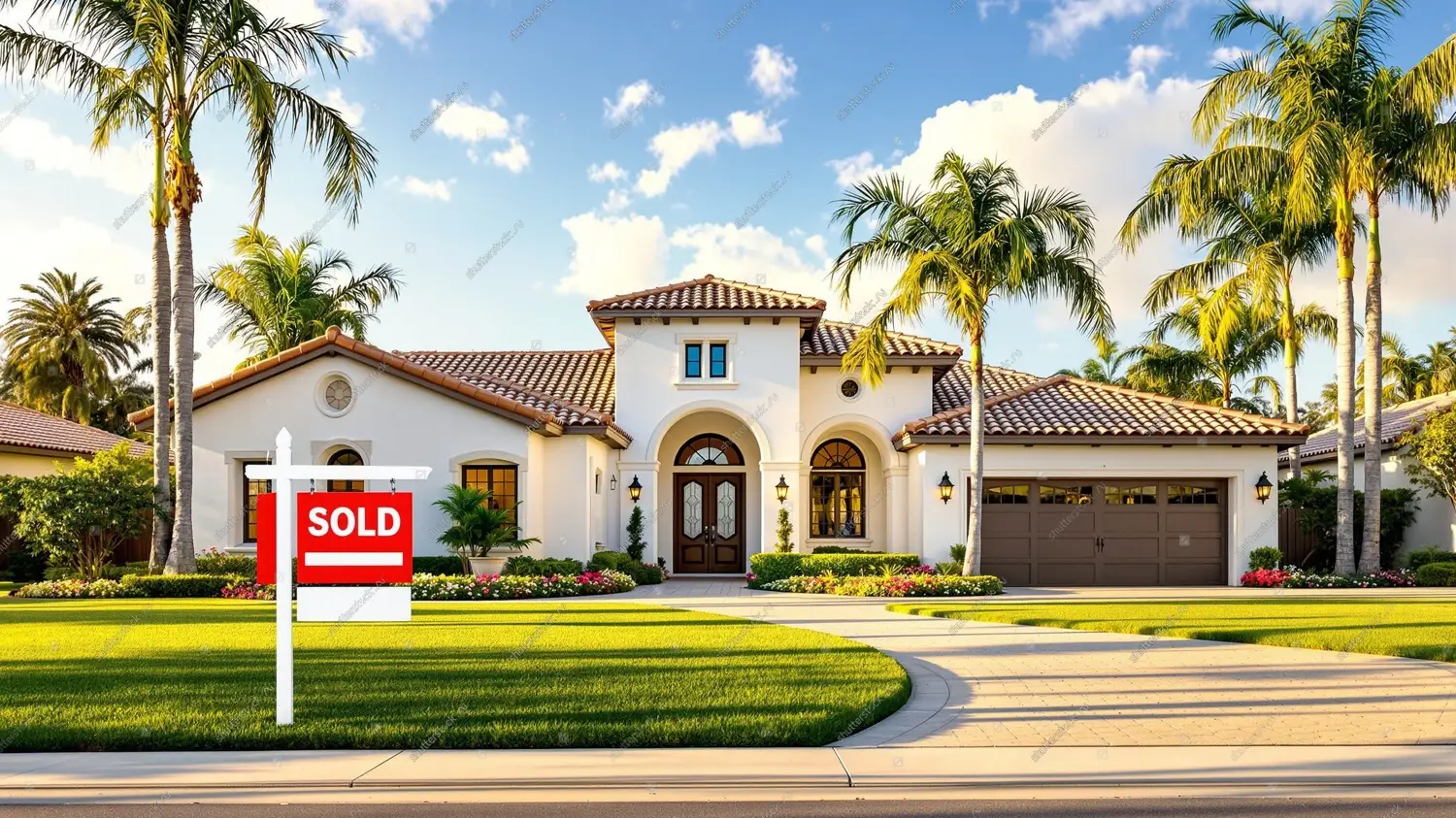
When a ‘Sold’ sign goes up on a house down the street, the first question is always the same: “What did a house sell for?” This isn’t just nosiness—it’s market intelligence. Knowing recent sale prices is key to understanding your own home’s value and the local real estate market.
But finding the answer to “what did a house sell for” can feel like a game of hide-and-seek. Between online estimates, neighborly rumors, and delayed public records, the actual sale price often remains elusive.
This guide provides a step-by-step plan to find the final sale price of any home using free tools, official county clerk records, and insider real estate agent resources.
🏡 Skip the Search — Get YOUR Home’s Value Now
Before you research what other houses sold for, find out what YOUR property is worth in today’s market
Trusted by 12,500+ Southern California Homeowners
“The estimate was spot-on! Matched my appraisal within $5,000.” — Sarah M., Temecula
The 2-Minute Check: Using Real Estate Websites to Find What a House Sold For
Your first instinct is often correct when trying to answer “what did a house sell for”: check a major real estate website like Zillow, Redfin, or Realtor.com. After typing in an address, scroll down to the “Property History” or “Price & Tax History” section. This is the fastest way to check for a recently posted sale price.
This section tells the story of the home’s journey on the market. You’ll often see a timeline showing when it was listed, any price reductions, and finally, the date and final sale price. It’s a quick, visual way to understand how the sale played out and discover what the house sold for.
The catch is that this data isn’t instant. A sale must be finalized and officially recorded by the county before these real estate websites can display the price. This process can take weeks, or even months, which is why a very recent sale might not appear right away when you’re trying to find out what a house sold for.
Why Can’t I See the Sale Price? The Mystery of Delayed and Hidden Data
If you see a house is “Pending” or “Under Contract,” it means the seller has accepted an offer, but the deal isn’t done. The final sale price isn’t public information yet because the sale could still fall through. You’ll have to wait until the property is officially marked as “Sold” to find out what the house sold for.
Even after a sale closes, there’s a delay. It can take 30 to 90 days for the county clerk or county recorder’s office to officially record the transaction. Only after this happens does the final sale price become public records and show up on websites. Think of it as a delay before the official score is posted after a game ends.
In some parts of the country, however, you may never see the price. A handful of “non-disclosure states” (like Texas, Utah, and Missouri) consider property sale prices to be private information. This is the most common reason you can’t find what a house sold for in these areas—the clerk’s office doesn’t make this information public.
If you’re not in a non-disclosure state, a recent sale price is likely just caught in this recording delay. The good news is you can often find it sooner by going directly to the source: local real estate public records at the tax assessor’s office or county recorder.
Go to the Source: How to Use Public Records to Find What a House Sold For
Instead of waiting for real estate portals to update, go straight to the official source to find out what a house sold for. Every county has an office—often called the County Assessor, County Recorder of Deeds, or County Clerk—that keeps the definitive public records of every property sale. This information is typically more accurate and can appear weeks before it hits the big websites.
Here’s how to do a county assessor property search by address:
- Search online for “[Your County Name] property records” or “[Your County Name] parcel search”.
- On the official county website, click the link for “Property Search” or “Record Search.”
- Enter the street address of the house and start your search.
On the property’s detail page, scan for a section labeled “Sales History” or “Deed Transfers.” This is where you’ll find the most recent sale date and price—the definitive answer to “what did a house sell for.” If the sale price isn’t listed directly, look for a “Transfer Tax” amount. Since this tax is calculated from the sale price, these transfer tax records provide a strong clue to the final number.
Understanding County Clerk and Recorder’s Office Records
The county clerk’s office and county recorder’s office maintain these public records as a legal requirement. Every real estate transaction must be recorded at the clerk’s office to be official. This means that when you’re trying to find out what a house sold for, the county recorder’s office has the most authoritative answer.
These records include:
- Deed information: Shows who bought the property and when
- Sale price: The actual amount paid (in most states)
- Transfer tax: Can be used to calculate the sale price if not directly listed
- Mortgage information: Shows how much was financed
- Property history: All previous sales and owners
The Insider’s Shortcut: When and How to Ask a Local Real Estate Agent
If waiting for public records feels too slow, there’s an insider shortcut to find out what a house sold for. Local real estate agents use a private database called the Multiple Listing Service (MLS). Think of it as the official, real-time scoreboard for real estate, where sale prices are posted the moment a deal closes—often weeks before becoming available through the county clerk or public records.
So, can a realtor tell you what a house sold for? Absolutely. Most local real estate agents are happy to look up a property’s sales history. It’s a simple way to demonstrate their expertise, and they know a curious neighbor today might be a home seller next year. This is a common, no-pressure request that helps them build relationships.
Just reach out and mention you’re tracking the local real estate market and were curious about what a specific house sold for. While the MLS provides the fastest, most accurate number, it doesn’t always tell the full financial story of the deal.
Get Your Home’s Value Without Calling an Agent
Curious about YOUR property’s value but not ready to contact an agent? No problem. Get a free market analysis and professional-grade valuation using the same MLS data local real estate agents use — instantly and with zero pressure.
Your Free Report Includes:
🔒 Your Privacy Matters: We never sell your information. You’ll receive your instant valuation with the option to connect with me if you want expert guidance — but there’s zero obligation.
The Fine Print: Why a $500,000 Sale Price Might Not Be the Whole Story
The official sale price doesn’t always tell the full story when you’re trying to understand what a house sold for. The public records at the county clerk’s office often miss seller concessions—money a seller credits to a buyer for repairs or closing costs. This hidden detail can significantly change a deal’s true value.
For example, a home with a $500,000 sale price might include a $10,000 concession. The seller really only nets $490,000. This is vital information when using comps to determine home value, because that house is effectively a $490,000 comparable, not a $500,000 one.
This blind spot is a key reason automated online estimates can be misleading; they see the public price at the county recorder’s office but miss concessions, which skews their market analysis. Understanding this helps reveal the true story behind what a house sold for.
How to Spot Seller Concessions
Seller concessions won’t appear in public records, but you can often identify them by:
- Comparing to list price: If the sale price is higher than expected but the home was on market a long time, concessions were likely involved
- Asking local real estate agents: They often know if concessions were part of the deal
- Looking at days on market: Properties that sold quickly with high prices rarely have concessions; those that sat for months often do
- Reviewing MLS data: Real estate agents can see this information in the multiple listing service
Additional Ways to Find Out What a House Sold For
Method 4: Online Real Estate Databases
Beyond Zillow and Redfin, several other websites can help you find what a house sold for:
- Realtor.com: Official site of the National Association of Realtors with comprehensive sale price data
- Trulia: Provides sold prices and market trends
- Homes.com: Another database with property history
- PropertyShark: Detailed property records in many markets
Each of these real estate websites pulls data from county clerk offices and the multiple listing service, so you might find the information on one site before it appears on another.
Method 5: Tax Assessor’s Office Online Portal
Many counties now offer online access to their tax assessor’s office records. These portals often show:
- Most recent sale price and date
- Property tax assessment value
- Previous sale history
- Ownership information
- Transfer tax amounts
The tax assessor’s office is an excellent resource because their data is updated directly from the county recorder, often faster than third-party websites.
Method 6: Drive by the County Recorder’s Office
If you prefer in-person research or can’t find what you need online, you can visit your local county recorder’s office or county clerk in person. Staff can help you search their public records to find out what a house sold for. There may be a small fee ($5-$25) for printed copies, but the information is public and must be provided.
Understanding Different Types of Sales
When researching what a house sold for, understanding the type of sale helps you interpret the price:
Traditional Sales
These are standard transactions where a seller lists with a local real estate agent, buyers submit offers, and the sale closes after inspections and financing. The sale price reflects true market value.
Foreclosure and Short Sales
These properties often sell below market value. If you’re comparing to foreclosures, your home may actually be worth more than what those houses sold for.
Estate Sales
Sales following a death may be priced lower for quick sale. Again, this may not reflect true market value.
Off-Market Sales
Sometimes properties sell without being listed publicly. These transactions still appear in county clerk records, but you won’t find them on real estate websites until after closing.
Your Action Plan for Finding What Any House Sold For
That ‘Sold’ sign no longer needs to be an unanswered question. Instead of guessing, you can now confidently find the real number by following its path from an accepted offer through the county clerk to public records.
When you want to know what a house sold for, here is your strategy:
- Quick Check: Start with Zillow, Redfin, or Realtor.com for speed—these real estate websites aggregate data quickly.
- Official Price: If it’s missing, search your County Assessor’s website or county recorder’s office online portal for the final number from public records.
- Fastest & Most Accurate: For the very latest price, ask a local real estate agent who has access to the multiple listing service (MLS).
- In-Person Option: Visit the county clerk’s office directly to search their records if online methods don’t work.
- Consider the Context: Remember that the sale price alone doesn’t tell the whole story—look for seller concessions and understand the type of sale.
This isn’t just about satisfying curiosity; it’s about building market awareness. You can now see your own home and neighborhood through a more informed lens, empowered to make smarter decisions whether you plan to buy, sell, or simply stay updated on the local real estate market.
Frequently Asked Questions About Finding What a House Sold For
Can I find out what any house sold for?
In most states, yes. Property sale prices are part of public records maintained by the county clerk or county recorder’s office. However, a handful of “non-disclosure states” (Texas, Utah, Missouri, Kansas, Louisiana, Mississippi, Montana, New Mexico, and Wyoming) keep sale prices private.
How long after closing does the sale price appear online?
It typically takes 30-90 days for the county recorder to process the paperwork and make it available in public records. Real estate websites then pull this data, adding another 1-2 weeks delay. For the fastest information, check the county clerk’s office directly or ask a local real estate agent with MLS access.
Are online estimates like Zestimates accurate?
Online estimates provide a ballpark figure but can be off by 10-20% or more. They don’t account for seller concessions, property condition, recent upgrades, or unique features. A market analysis from a local real estate agent or professional appraiser is much more accurate.
Why don’t I see the price for a recently sold home?
If the home just sold, the sale hasn’t been recorded at the county recorder’s office yet. This recording process takes 30-90 days. Check back in a few weeks, or contact a local real estate agent who can access the information through the multiple listing service immediately.
Can I trust the tax assessor’s office for sale prices?
Yes, the tax assessor’s office gets its data directly from the county recorder and maintains official public records. However, their assessed value (for tax purposes) is different from the sale price. Look specifically for “sale price” or “transfer amount” in their records.
What if the county clerk shows a transfer tax instead of a price?
You can calculate the sale price from the transfer tax. Most counties charge $0.55 to $1.10 per $500 of sale price. Divide the transfer tax by your county’s rate to estimate what the house sold for. Your county clerk’s office can tell you the exact rate.
Conclusion: You Now Know What Houses Sold For
Finding out what a house sold for is no longer a mystery. Armed with the right tools—from online real estate websites to county clerk public records to local real estate agents with MLS access—you can quickly discover the sale price of any property.
Whether you’re evaluating your own home’s value, researching the local real estate market, or considering a purchase, knowing what houses actually sold for (not just what they were listed for) gives you powerful market intelligence.
Remember: the fastest path is usually asking a local real estate agent, the most official source is the county recorder’s office, and the most convenient option is checking major real estate websites—but be prepared to wait 30-90 days for recent sales to appear.
Now you have the complete toolkit to answer “what did a house sell for” anytime, anywhere.
