

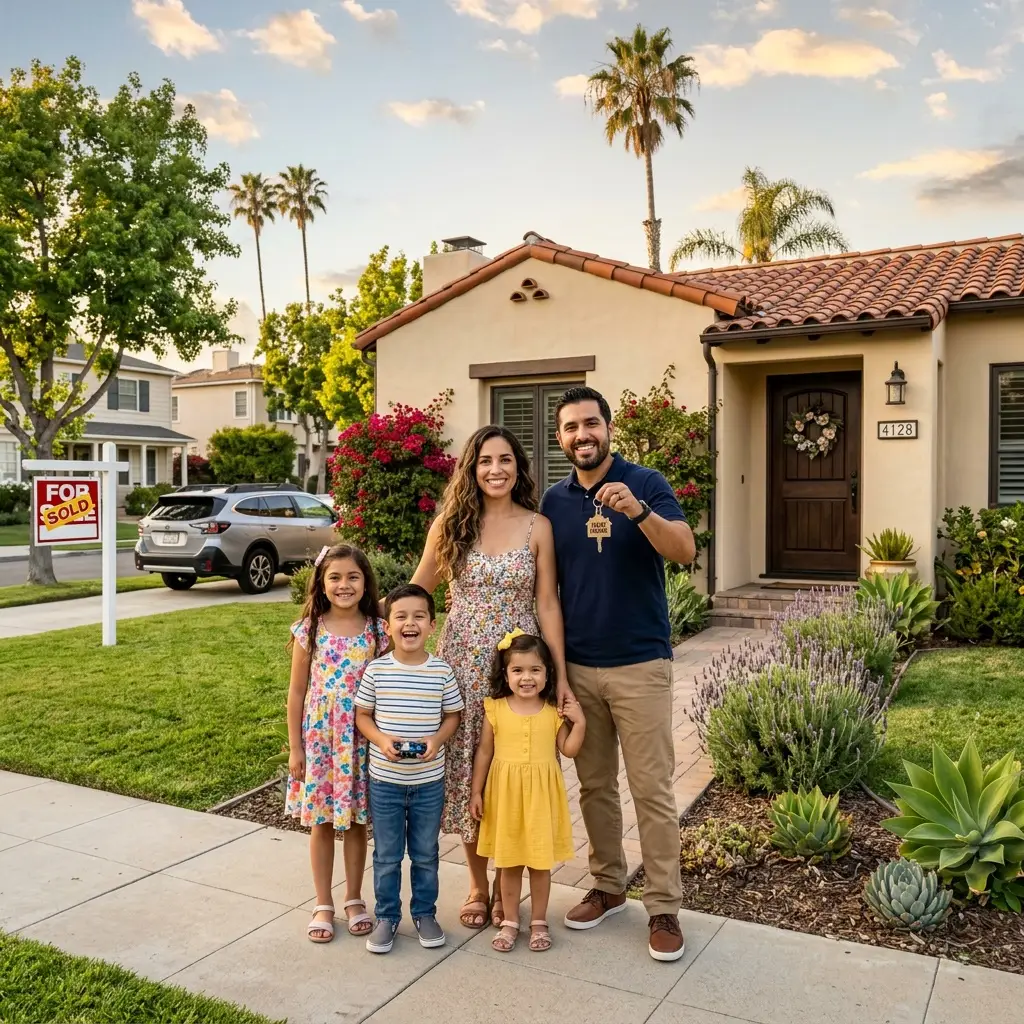

Living in Riverside: What Home Buyers Should Know Before Making a Move
Riverside, California offers a mix of historic neighborhoods, newer master-planned areas, and convenient access to major employment centers across the Inland Empire and greater Southern California. For home buyers, the key is understanding how Riverside’s submarkets, commute patterns, school options, property types, and local costs can affect both day-to-day living and long-term ownership.
Where Riverside Fits in the Inland Empire
Riverside is a major hub in the Inland Empire with connections to Orange County, Los Angeles, San Bernardino County, and the Coachella Valley. Many residents value Riverside for its regional access, established neighborhoods, and variety of housing inventory compared to some nearby cities that are more limited by newer development or tighter supply.
Neighborhoods and Housing Styles
Riverside has a wide range of home styles and lot types. Before choosing an area, consider age of construction, lot size, road noise, and proximity to freeways, commercial corridors, and local amenities. Housing can include historic homes, mid-century ranch properties, and newer tract homes. The right fit often depends on your tolerance for maintenance, desired yard size, and whether you prefer an established area with mature landscaping or a newer community with newer infrastructure.
- Older neighborhoods: May offer unique architecture and larger lots, but can involve higher maintenance and older systems (roofing, plumbing, electrical, HVAC).
- Newer developments: Often include modern layouts and energy features, but may have smaller lots, HOA rules, and community assessments.
- Hillside or view properties: Can offer scenery and privacy, but may bring higher insurance considerations and slope-related maintenance.
Commute and Transportation Considerations
Commute time can vary significantly depending on your work location and your Riverside neighborhood. Proximity to major routes and interchange access may matter as much as mileage. If you commute during peak hours, test-drive the route at the time you would typically travel. Also consider whether you plan to use Metrolink or other transit options.
- Freeway access: Living closer to on-ramps can reduce commute time, but may increase traffic noise.
- Work-from-home needs: If you work remotely, prioritize internet options, interior noise levels, and dedicated office space.
- Daily errands: Some areas are more convenient to shopping, dining, and services than others, which can reduce time spent driving.
Schools and Enrollment Planning
School preferences are often a major driver of where buyers focus their search. School attendance boundaries can change, and enrollment policies vary by district and program. Buyers should verify school assignments directly with the school district and confirm any special program requirements. Do not rely solely on third-party school rating websites when making decisions.
Property Taxes, Special Assessments, and HOAs
In California, property taxes are generally based on purchase price plus applicable local assessments. In Riverside, some neighborhoods—especially newer communities—may have additional costs such as Mello-Roos or other special tax assessments. HOA dues may apply in planned communities, and those dues can change over time.
- Ask for a full cost breakdown: Estimated mortgage payment, property taxes, insurance, HOA dues, and any special assessments.
- Review HOA documents: Rules, rental restrictions, parking policies, and reserve funding can affect day-to-day living and resale.
- Confirm assessments: Your tax bill may include bond measures or local assessments beyond the base rate.
Insurance and Risk Factors to Review
Insurance availability and cost can vary by property location, construction type, and surrounding risk factors. Riverside includes areas where buyers may need to evaluate wildfire risk, brush clearance requirements, and insurer underwriting guidelines. If you are buying a home near open space or in foothill areas, request insurance quotes early in the process and confirm any property condition requirements.
Home Condition: What to Look for in Riverside Homes
Because Riverside has both older and newer homes, inspections and due diligence are especially important. A professional home inspection can help you understand condition and maintenance needs. Consider additional specialized inspections depending on the home and location.
- Roof and HVAC: Age, remaining life, and service history can affect immediate costs.
- Plumbing and electrical: Older homes may have outdated components that require upgrades.
- Foundation and drainage: Grading, drainage patterns, and any signs of settlement should be reviewed.
- Termite and wood-destroying organisms: Common in many parts of Southern California and often worth evaluating.
- Solar systems: If solar is present, confirm whether it is owned or leased and review any transfer terms.
FHA Financing Notes for Riverside Buyers
Many buyers consider FHA financing for its flexible credit guidelines and low down payment options. FHA loans are subject to property standards intended to ensure safety, security, and soundness. The home must meet FHA appraisal requirements, and certain property conditions may require repair prior to closing. Buyers should also plan for FHA mortgage insurance and confirm that the property type is eligible.
- Appraisal and repairs: Peeling paint (especially on older homes), missing handrails, roof issues, and safety concerns may require correction.
- Condominiums: FHA condo approval rules can apply; verify eligibility early if buying a condo.
- Budgeting: Include mortgage insurance, closing costs, and reserves as recommended by your lender.
Utilities, Energy Use, and Comfort
Riverside can experience hot summers, which makes energy planning important. When evaluating a home, consider insulation, window quality, HVAC capacity, and overall efficiency. Shade trees, patio covers, and smart thermostat options can also affect comfort and operating costs. Ask sellers for recent utility bills when available, understanding that usage patterns vary by household.
Quality of Life: What Daily Living Can Feel Like
Riverside residents often appreciate access to parks, hiking areas, community events, local dining, and nearby destinations across Southern California. Lifestyle can vary by neighborhood—some areas feel more suburban and quiet, while others are closer to downtown amenities and activity. Visiting the neighborhood at different times of day and week can help you gauge parking, noise, and traffic patterns.
Practical Steps Before You Buy
- Get clear on total monthly cost: Include taxes, insurance, HOA, and any special assessments.
- Request insurance quotes early: Especially for hillside or open-space-adjacent properties.
- Review disclosures and inspection reports carefully: Ask follow-up questions and obtain specialists when needed.
- Verify key items independently: School assignments, permits, solar terms, and HOA rules.
- Plan for maintenance: Align your purchase with your budget and comfort level for repairs and upkeep.
Choosing a home in Riverside is often about balancing commute needs, neighborhood character, and total ownership cost. With careful verification, thorough inspections, and a realistic budget that includes taxes, insurance, and community fees, buyers can make a well-informed move that fits both lifestyle and financial goals.
