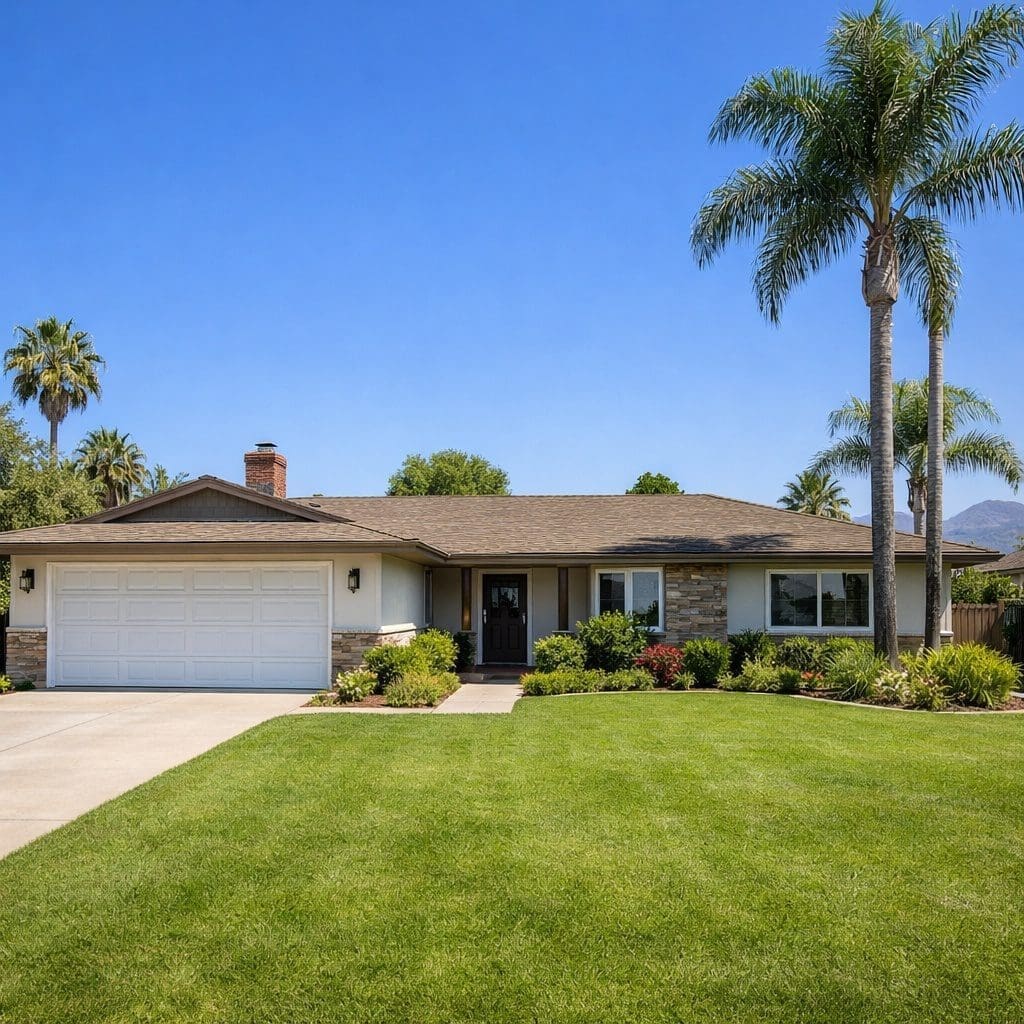
Cash Offers Explained: What Every Southern California Homeowner Needs to Know
You''ve probably seen the signs: "We Buy Houses for Cash!" or received postcards saying "Cash offer in 24 hours!" Cash offers can be a legitimate solution — but understanding how they work is essential.

You've probably seen the signs: "We Buy Houses for Cash!" or received postcards saying "Cash offer in 24 hours!" Maybe you're facing financial challenges, dealing with an inherited property, or simply need to sell quickly. Cash offers can be a legitimate solution—but understanding how they work is essential.
This guide explains everything about cash offers: how they work, how they're calculated, when they make sense, and how to evaluate whether a cash offer is right for you.
What Is a Cash Offer?
A cash offer means a buyer will purchase your home without needing a mortgage. The buyer has liquid funds or access to capital that doesn't require traditional mortgage approval.
Types of Cash Buyers
Individual Investors: Fix and resell (flip), purchase for rental income, usually local or regional.
Investment Companies: Professional house-buying companies, buy in volume across markets, standardized processes.
iBuyers: Technology-driven instant buyers (Opendoor, Offerpad), algorithm-based offers, fast closings, service fees 5-7%.
Wholesalers: Don't actually buy your home, contract to buy then sell contract to investor, typically lowest offers, less reliable.
According to the National Association of Realtors, cash sales represent approximately 25-30% of all residential transactions, with higher percentages for distressed properties.
How Cash Offers Work
Step 1: Initial Contact — You might be contacted by direct mail, door knockers, phone calls, or online lead forms. Or you might reach out to a "We Buy Houses" company.
Step 2: Property Evaluation — The buyer will request basic information, sometimes visit (10-30 minute walkthrough), research comparable sales, assess needed repairs, and calculate offer. Timeline: 24 hours to 1 week.
Step 3: Offer Presentation — You'll receive a purchase price offer, proposed closing timeline, terms and conditions, who pays closing costs, and any contingencies.
Red Flags: 🚩 Verbal offer only 🚩 Pressure to decide immediately 🚩 Requests upfront fees 🚩 Unclear contract terms 🚩 Won't provide proof of funds
Green Flags: ✅ Written offer with clear terms ✅ Proof of funds ✅ Reasonable time to review ✅ Transparent process ✅ Professional contract ✅ References available
Step 4: Due Diligence — Even cash buyers typically inspect property (3-10 days), verify title is clear, confirm condition, and may renegotiate if major issues found.
Step 5: Closing — Timeline: 7-30 days (you often choose). No traditional financing means no appraisal delay, no loan approval contingency, no underwriting, faster and more certain closing.
How Cash Offers Are Calculated
Understanding the formula helps you evaluate if an offer is fair.
The Basic Formula: After-Repair Value – Repair Costs – Investor Profit – Holding Costs = Cash Offer
Real Example: $500,000 Home
Step 1: Determine After-Repair Value (ARV) — Comparable homes in excellent condition sold for $500,000.
Step 2: Estimate Repair Costs — New roof: $15,000 / Kitchen update: $20,000 / Bathroom renovations: $12,000 / Paint and flooring: $8,000 / Landscaping: $3,000 / Miscellaneous: $7,000 / Total Repairs: $65,000
Step 3: Investor Profit Margin — Investors typically target 15-25% profit. $500,000 × 20% = $100,000 profit.
Step 4: Holding and Transaction Costs — Holding costs: $5,000 / Selling costs: $30,000 / Financing costs: $5,000 / Total Costs: $40,000
Step 5: Calculate Offer — ARV: $500,000 / Repairs: -$65,000 / Profit: -$100,000 / Costs: -$40,000 / Offer: $295,000 (59% of ARV)
Why the Offer Seems Low
At first glance, $295,000 on a $500,000 home seems unfair. But consider:
Investor's Perspective: Takes on repair risk ($65,000), pays selling costs later ($30,000), bears holding costs ($5,000), needs profit margin ($100,000), takes on market risk.
Your Perspective: $295,000 cash quickly, no repair costs, no selling costs, certainty and speed, ability to move on.
Traditional Sale Alternative: Sale price: $500,000 / Your repairs: -$65,000 / Commissions: -$30,000 / Closing costs: -$5,000 / Time: 3-6 months / Net: ~$400,000
Difference: $105,000 — Is that worth 3-6 months, managing $65,000 in repairs, uncertainty, showings, and risk of finding more problems? Only you can decide based on your situation.
When Cash Offers Make Sense
Situation 1: Distressed Property — Foundation issues, roof needs replacement, outdated systems, can't afford repairs. Cash buyer handles repairs, no investment needed, fast resolution, certain sale.
Situation 2: Facing Foreclosure — Behind on payments, foreclosure scheduled, need to sell before foreclosure, avoid credit damage. Can close in 7-14 days, prevents foreclosure, protects credit score.
Situation 3: Inherited Property — Don't want to keep property, live out of area, can't manage repairs, want quick distribution to heirs. Fast liquidation, no investment, no management, quick proceeds.
Situation 4: Relocation/Time Constraints — Job relocation on tight timeline, already bought new home, can't maintain two properties, need certainty. Guaranteed closing date, no financing fall-through, coordinate with timeline.
Situation 5: Divorce or Life Transition — Divorce requiring sale, need to divide assets, want clean break, emotional need for quick sale. Fast resolution, certain closing, move forward, no prolonged process.
When to Avoid Cash Offers
Your Home Is in Good Condition — If your home needs only minor updates, traditional sale nets significantly more. Take time to list properly, invest in minor improvements, accept higher retail offer.
You Have Time — If not in a rush, test market first, get multiple retail offers, can fall back to cash later, maximize price.
Offers Seem Predatory — If cash buyers pressure immediate decisions, won't explain calculations, use scare tactics, request upfront fees, or have no track record — walk away and get other opinions.
You Can Afford Basic Repairs — If you can invest $5,000-$15,000, small investment yields $30,000-$50,000 more, significant ROI, expands buyer pool.
Comparing Cash to Traditional Sales
Real Scenario: Orange County home, ARV $600,000, needs $40,000 updates
Option 1: Cash Offer (14 days) Cash offer: $420,000 / Closing costs: -$2,000 / Repairs needed: $0 / Net: $418,000 Pros: Fast, certain, no repairs, no showings / Cons: Lower price, leave money on table
Option 2: Traditional As-Is (60-90 days) Sale price: $540,000 / Commission: -$32,400 / Closing: -$8,000 / Repairs after inspection: -$10,000 / Staging: -$3,000 / Net: $486,600 Pros: $68,600 more, marketed to all / Cons: 2-3 months, showings, some repairs, risk
Option 3: Traditional with Repairs (90-120 days) Sale price: $590,000 / Commission: -$35,400 / Closing: -$8,000 / Your repairs: -$40,000 / Staging: -$5,000 / Net: $501,600 Pros: $83,600 more than cash / Cons: 3-4 months, manage repairs, upfront $40k+, carrying costs
Evaluating Cash Offers
Step 1: Understand True Value — Get multiple valuations: online estimates (rough guide), agent analysis (fairly accurate), professional appraisal ($400-600, most accurate).
Step 2: Get Multiple Offers — Target 3-5 cash offers from local investors, house-buying companies, iBuyers, and agents with investor clients. Compare purchase price, closing timeline, who pays costs, fees or charges, and contingencies.
Step 3: Calculate Net Proceeds — For Cash: Offer – closing costs = Net. For Traditional: Sale price – 6% commission – 2% closing – repairs – staging = Net.
Step 4: Verify Legitimacy — Check business license, real estate license, online reviews, BBB rating, references, and proof of funds.
Step 5: Review Contract — Look for clear purchase price, specified closing date, who pays costs, contingencies, earnest money, and fees or charges. Get help: attorney review ($500-1,000), agent consultation, title company review.
Negotiating with Cash Buyers
Yes, You Can Negotiate. Negotiate: price, timing, terms, closing costs. You have leverage if multiple offers are available, home is desirable, timeline isn't critical, or condition is better than expected.
Don't Be Afraid to Counter: Many sellers accept first offer out of fear, pressure, desperation, or lack of knowledge. You deserve fair treatment.
Protecting Yourself
Red Flags: 🚩 Upfront fees 🚩 Deed transfer requests 🚩 Pressure tactics 🚩 No proof of funds 🚩 Vague contracts 🚩 Too good to be true 🚩 Unknown companies 🚩 Foreclosure rescue scams
Protection Steps: ✅ Verify identity ✅ Use licensed professionals ✅ Read everything ✅ Document everything ✅ Trust instincts
Making Your Decision
Cash offers can be a lifeline or costly mistake. The right choice depends on:
- Timeline: Urgent = cash, flexible = test market
- Finances: Can't afford repairs = cash makes sense
- Property: Major issues = cash appropriate
- Goals: Maximum price = traditional, certainty = cash
- Stress Tolerance: Quick resolution = cash
Frequently Asked Questions
Are cash offers always lower? Generally yes, 10-30% lower depending on condition. But you save commission, closing costs, and repairs, narrowing the gap.
How do I know if fair? Get multiple offers, understand ARV and needed repairs, calculate what you'd net from traditional sale.
Can I list and still consider cash? Absolutely. Many list traditionally while getting backup cash offers.
Do cash buyers ever pay asking price? Rarely. Cash buyers are usually investors needing profit margin. iBuyers sometimes pay closer but charge 5-7% fees.
What if I accept then get better offer? Depends on contract. Most purchase agreements bind both parties. Breaking contract could mean losing earnest money or legal issues.
How long does cash sale take? Typically 7-30 days from accepted offer. You often choose closing date.
Do I still need inspection? Usually buyer inspects, not you. California requires you to disclose known defects regardless.
What about capital gains tax? Same as traditional. You may exclude up to $250k (single) or $500k (married) of profit if you meet requirements.
Alternative Options
- Loan Modification — If facing foreclosure, contact lender about modification.
- Short Sale — If underwater, lender may accept less than owed. Avoids foreclosure.
- Rent It Out — Generate income while market improves if you can afford to keep it.
- Family Loan — Borrow from family for repairs, sell for higher price, repay from proceeds.
Work with a Trusted Professional
Navigating cash offers requires experience and market knowledge. You need an agent who understands investor offers, has connections to legitimate buyers, can get you multiple competing offers, and protects your interests. The right guidance ensures you get fair treatment and the best outcome for your specific situation.
Contact Jose Cordova Homes — call (909) 715-3800.
This article is for informational purposes only and does not constitute legal, financial, or tax advice. Last Updated: February 2026.
Explore Topics
Written by
Jose Cordova
Content creator and writer sharing insights and stories.